Arizona Landlord-Tenant FAQs for 2026

Your essential guide to Arizona landlord-tenant questions, rights, and responsibilities. Get clear, actionable answers to the most common rental law issues—whether you're a landlord, tenant, or property manager.
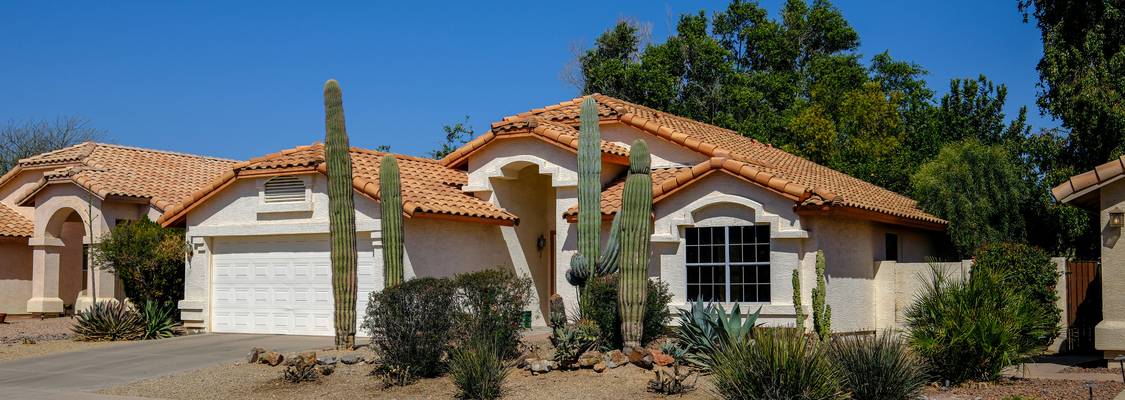
Arizona landlord and tenant meeting to review a rental agreement in a sunlit Arizona home || landlord tenant handshake || Arizona rental paperwork #|#Landlord and tenant reviewing an Arizona rental lease agreement#|#arizona-landlord-tenant-faqs-hero.jpg

General Arizona Landlord-Tenant FAQ

Arizona rentals are primarily regulated by the Arizona Residential Landlord and Tenant Act (ARLTA), found in A.R.S. Title 33, Chapter 10. The ARLTA outlines everything from required disclosures to eviction procedures and applies to most residential leases—whether written or verbal. In addition, local health and building codes can affect habitability standards, and federal Fair Housing laws protect against discrimination. Always start with the ARLTA to understand baseline rights, then review any local rules that may add extra protections. For a deep dive into the statute and key obligations, see our Arizona Landlord-Tenant Laws guide.

Yes—Arizona recognizes both written and verbal rental agreements, and the ARLTA applies to either format. However, relying on a verbal lease can create proof problems if a dispute arises because key terms (rent amount, due date, maintenance duties) may not be documented. A written lease protects both parties by clearly spelling out obligations and timelines. If you currently rent on a handshake deal, consider putting the terms in writing as soon as possible. Review the minimum clauses your lease should contain in our Arizona rental agreement checklist.

Tenants have the right to a safe, habitable, and reasonably clean home, along with privacy: landlords must give proper notice (typically 48 hours) before entry except for emergencies. Landlords have the right to timely rent payments, compliance with reasonable rules, and return of the property in good condition. Both parties must follow statutory notice rules for repairs, rent increases, and termination. Violating these duties can lead to legal remedies such as rent withholding, lease termination, or eviction. Explore detailed obligations on our Tenant Rights and Landlord Rights pages.

Under A.R.S. §33-1375(B), either party may end a month-to-month tenancy by giving at least 30 days’ written notice before the next rental period starts. For example, if rent is due on the 1st, notice delivered on June 15 counts for a July 31 move-out. Failing to provide the full 30 days can automatically extend the tenancy into the following month. Written notice should include the property address, move-out date, and signature, and it must be delivered by a valid method such as personal service or certified mail. For templates and additional timing examples, visit our Notice Requirements guide.

Arizona Tenant Rights FAQs for 2026

Start by sending a written repair request describing the problem, the date you first noticed it, and a reasonable deadline (usually 5–10 days for non-emergencies). Keep copies and photos for proof. If the landlord ignores the request, Arizona law (A.R.S. §33-1363) allows tenants to “repair and deduct,” withhold rent by paying essential services themselves, or in severe cases terminate the lease—but each option has strict requirements. Always document your expenses and send receipts. For life-safety issues (no AC in 110°F weather, broken plumbing, etc.), contact local code enforcement to create an official paper trail. Step-by-step instructions and a downloadable template are on our repair request form page.

Except for genuine emergencies (fire, burst pipe, medical distress), landlords must give at least 48 hours’ written notice before entering a rental unit (A.R.S. §33-1343). The notice should state the date, approximate time, and valid reason such as repairs or inspections. Entry must occur at “reasonable” hours—commonly 8 a.m. to 6 p.m.—unless the tenant agrees otherwise. Unannounced or repeated disruptive entries may constitute harassment or a privacy violation, giving tenants grounds to seek court relief or terminate the lease. Keep a log of any unauthorized entries and respond in writing. Get full entry rules and a sample notice on our landlord entry notice page.

For month-to-month leases, landlords must serve at least 30 days’ written notice of a rent increase under A.R.S. §33-1375. The 30-day clock starts the day after you receive the notice, so a letter dated June 3 generally takes effect on August 1. For fixed-term leases, rent cannot be increased until the term ends unless the lease specifically allows mid-term adjustments. Always verify the notice is in writing and states the new amount and effective date. Tenants who cannot afford the increase can attempt negotiation or serve their own 30-day notice to terminate. For negotiation tactics and sample letters, see our rent increase notice guide.

If you rent month-to-month, you must provide at least 30 days’ written notice before the next rental period. For fixed-term leases, you are normally liable for rent until the lease ends; however, you may break the lease early if the landlord fails to maintain habitability, harasses you, or violates entry rules. Always give written notice with the reason, keep proof of delivery, and document the problem with photos or inspection reports. Arizona landlords must make reasonable efforts to re-rent, which reduces your financial liability. Review acceptable legal grounds and a move-out checklist on our tenant rights page.

Arizona landlords have 14 business days after you vacate and return the keys to mail your deposit or an itemized list of deductions (A.R.S. §33-1321(D)). If you disagree with any charge, respond in writing within a reasonable time—ideally within 7–10 days—citing your evidence such as move-in photos, cleaning receipts, and the statute. Request receipts or proof of the landlord’s expenses. If the landlord refuses or fails to respond, you can file a small-claims action for the deposit plus potential damages. Step-by-step dispute instructions and sample demand letters are available on our security deposit laws page.

Arizona Landlord Responsibilities FAQs for 2026

Arizona landlords must keep rental units in a fit and habitable condition, meaning working plumbing, heating/cooling, electricity, pest control, and safe structures (A.R.S. §33-1324). Respond to written repair requests within a reasonable time—typically 5 days for essential services and 10 days for other issues. Failure to act can let tenants perform their own repairs and deduct costs or withhold rent, which quickly erodes cash flow and invites court claims. Best practice is to log every request, acknowledge within 24 hours, and schedule professional service promptly. For a detailed checklist of required maintenance, visit Arizona landlord repair duties.

No. Arizona caps security deposits at 1.5 times the monthly rent, including any non-refundable fees, per A.R.S. §33-1321. Charging more can expose a landlord to refund claims and possible double-damages. Always disclose non-refundable fees (e.g., cleaning) in writing at lease signing; undisclosed fees automatically become refundable. Good documentation—photos at move-in, dated inspection forms, and receipts—helps justify deductions later and reduces disputes. For sample deposit clauses and itemization forms, see our security deposit rules.

Landlords must serve 48 hours’ written notice before entering for inspections, repairs, or showings (A.R.S. §33-1343). The notice should specify the purpose, date, and a reasonable time window. Emergencies are the sole exception. Many disputes arise from “courtesy texts” without a formal notice; courts often side with tenants if proper notice is missing. Use a standardized entry form, keep a copy, and log any tenant permissions. Download a compliant entry notice on our entry notice page.

Arizona does not impose a statewide cap on rent increases, but landlords must give proper notice. In a month-to-month lease, provide at least 30 days’ written notice before the increase begins; otherwise, the increase is invalid. In a fixed-term lease, rent can rise only at renewal unless a clause allows mid-term adjustments. Excessive or retaliatory increases (e.g., right after a tenant files a repair request) may be challenged in court. Clearly document the new amount, effective date, and reasoning to avoid misunderstandings. For templates and compliance tips, see Arizona rent increase laws.

Landlords must deliver a 30-day written notice to terminate a month-to-month tenancy, counting 30 days before the next rent-due date (A.R.S. §33-1375(B)). For example, hand-delivering notice on April 10 ends the tenancy May 31 if rent is due the first. Include the property address, final date of possession, and instructions for keys. Use certified mail or personal service and keep the receipt; improper or late notice can force you to wait another month. For sample termination letters and delivery tips, visit our lease termination guide.

Arizona Eviction Process & Notice FAQs

The process begins with the landlord serving the correct written notice: 5-day (non-payment), 10-day (curable violation), 30-day (no-cause month-to-month), or immediate notice (irreparable breach). After the statutory wait, if the tenant fails to comply, the landlord files a Forcible Detainer action in the appropriate Justice Court, paying the filing fee and serving the tenant with a court summons. A hearing is usually set within 3–7 days; both parties present evidence such as the lease, payment records, and photographs. If the judge rules for the landlord, a writ of restitution issues, giving the tenant a final 5 days (sometimes 12 hours for irreparable breach) before law enforcement can remove them. Throughout, documentation is critical because procedural errors can cause dismissal. See a full checklist and downloadable timeline on our eviction process guide.

Notice type depends on the eviction reason: 5-day pay or quit for unpaid rent, 10-day cure or quit for curable lease breaches, 30-day termination for ending a month-to-month tenancy without cause, and immediate notice for severe health-and-safety or criminal conduct. Each notice must state the violation, date served, deadline to comply, and that failure will lead to court action. Delivery must be personal, posted and mailed, or sent by certified mail. Serving the wrong notice or miscounting days is the #1 reason Arizona eviction cases get tossed. For statutory language and printable forms, visit eviction notice requirements.

Read the notice immediately, verify the type, and mark the deadline. If it is a 5-day notice for rent, pay in full—including late fees—within the 5 calendar days and obtain a receipt. For a 10-day violation notice, correct the issue (e.g., remove an unauthorized pet) and send written proof to the landlord before the deadline. If you dispute the notice (wrong amount claimed, improper service, retaliation), respond in writing stating your defense and gather evidence. Always keep copies and consider certified mail or email with read receipts. For detailed defense strategies, visit our tenant eviction defense guide.

A typical non-payment eviction takes about 3–4 weeks from notice to lockout: 5 days for the pay-or-quit notice, a few days to file and serve court papers, a hearing within a week, and 5 days after judgment before the writ executes. Lease-violation and no-cause cases take longer because of 10- or 30-day notice periods. Tenant defenses—such as improper notice or proof of payment—can add continuances and delay the writ for weeks. Courts move quickly, so missing any deadline can drastically shorten or lengthen the process for either side. Get a timeline graphic and real-world delays on our eviction timeline page.

After being served with a Forcible Detainer summons, tenants typically have just 3–5 calendar days before the scheduled court date—Arizona courts move fast. The summons will specify the exact hearing date and location; no formal written answer is required, but tenants should arrive at the hearing ready to present defenses and documentation. Failing to appear almost always results in a default judgment. Tenants who need more time can file a written request for continuance, but judges rarely grant delays without a compelling reason. For preparation tips and required documents, visit eviction court preparation guide.

Arizona Security Deposit FAQs 2026

Arizona limits deposits to 1.5 times monthly rent (A.R.S. §33-1321). This cap includes any non-refundable fees unless separately itemized, so a landlord charging $1,200 rent may collect up to $1,800 total. Charging more exposes landlords to refund claims and potential penalties, while tenants who unknowingly overpay should request an immediate refund of the excess. Always obtain a receipt that breaks down refundable and non-refundable portions. For a template deposit clause, see security deposit limits.

Deductions are limited to unpaid rent, utilities, and damages beyond normal wear and tear. Wear and tear means minor scuffs, faded paint, or small nail holes—none of which are deductible. Cleaning charges are allowed only if the tenant leaves the unit dirty or if the lease states professional cleaning is required. Landlords must list each deduction in writing with amounts and receipts or estimates for bigger repairs. Tenants should compare the itemization to their move-in checklist and photos before agreeing. For a complete deduction checklist, visit our deposit deductions guide.

The landlord must mail the deposit (or itemized deductions) within 14 business days after the tenant vacates and returns keys (A.R.S. §33-1321(D)). Weekends and legal holidays are excluded from the count. The deadline starts when possession is actually surrendered, not the lease end date, so handing over keys early shortens the clock. Missing the 14-day window can entitle tenants to sue for the deposit plus damages. Protect yourself by providing a forwarding address in writing when you move out. For a printable return timeline graphic, see deposit return timeline.

Arizona law does not set an explicit deadline for disputing deductions, but courts expect tenants to act promptly—ideally within a few weeks of receiving the itemization. Send a written demand letter detailing why each deduction is invalid, with supporting photos, receipts, or witness statements. If the landlord refuses to adjust the charges, you can file in small-claims court (jurisdiction up to $3,500) within one year of the dispute. Judges often award tenants who present organized evidence and proof of timely communication. Download step-by-step dispute instructions on our deposit dispute guide.

First, review the itemized statement against your move-in photos and checklist to identify questionable charges. Second, draft a formal demand letter citing A.R.S. §33-1321, listing each disputed item, and requesting a refund within 10 business days. Send the letter via certified mail and keep the receipt. Third, gather supporting evidence such as before-and-after photos, cleaning invoices, and witness statements. Fourth, if the landlord ignores or denies your claim, file a small-claims complaint; attach your evidence and certified-mail receipt. Finally, attend the hearing with organized copies for the judge and landlord. Many tenants recoup the entire amount when they show clear evidence and a reasonable timeline. Full templates and courthouse filing tips are on our deposit dispute page.