Arizona Landlord-Tenant Laws (2025 Comprehensive Guide)

Your all-in-one resource for understanding landlord and tenant rights, rental rules, legal compliance, and best practices under the Arizona Residential Landlord and Tenant Act (ARLTA). Actionable, up-to-date, and packed with examples, checklists, and critical links for every Arizona rental situation.

Whether you're a property owner, manager, or tenant, this page breaks down leases, rent, repairs, deposits, evictions, lease renewal, and more—so you stay protected and confident in 2026.

Arizona Residential Landlord and Tenant Law: Who & What It Covers

Arizona’s landlord-tenant relationship is governed by the Arizona Residential Landlord and Tenant Act (ARLTA), found in ARS Title 33, Chapter 10. This law applies to most rental dwellings, including apartments, houses, condos, and duplexes, rented primarily for residential purposes. Knowing your rights and obligations—whether you’re a landlord or tenant—is essential to avoid costly mistakes, legal disputes, or even eviction.

Who is covered? The ARLTA covers nearly all residential rental agreements in Arizona, with a few exceptions (such as hotels, fraternities, employee housing, and some mobile home parks). Whether your lease is written or oral, these laws set minimum standards for both parties—overriding any lease terms that conflict with Arizona statutes.

  • Applies to both fixed-term and month-to-month rental agreements
  • Sets minimum standards for habitability, repairs, notice periods, and more
  • Protects both landlords and tenants from unfair practices and illegal evictions
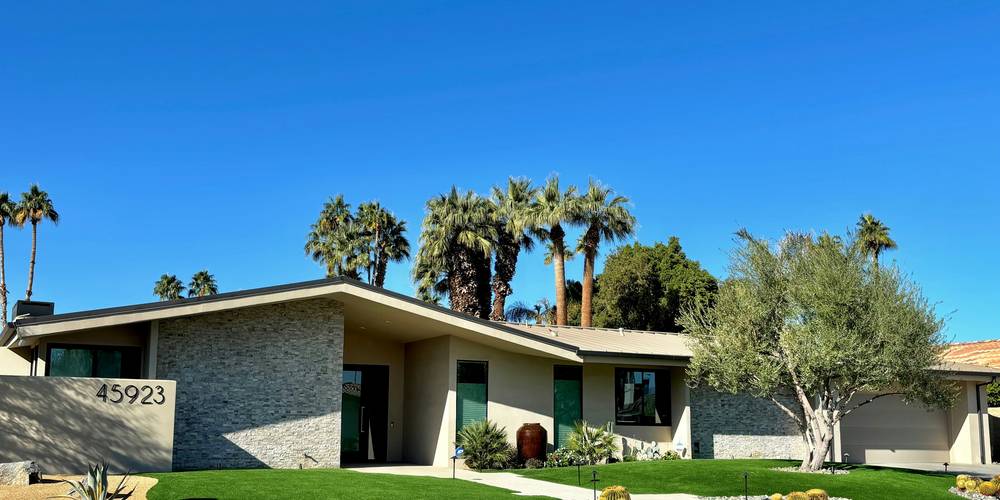
Modern Arizona rental home exterior with palm trees, blue sky, and tenants moving in

Key Statutes & Legal Framework

The backbone of Arizona landlord-tenant law is found in the Arizona Residential Landlord and Tenant Act (ARLTA), especially ARS Title 33, Chapters 10 & 11. The ARLTA governs everything from rental agreements to security deposits, required disclosures, rights and obligations, repairs, privacy, evictions, and lease renewal.

  • ARS §33-1301 – 33-1381: Main Residential Landlord-Tenant Act—covers rental agreements, landlord/tenant obligations, deposits, repairs, notice requirements, entry, and evictions.
  • ARS §33-1401 – 33-1491: Mobile Home Parks Residential Landlord and Tenant Act (for mobile home communities).

For a step-by-step walkthrough of the eviction process, see our Arizona eviction process guide or use our Notice Period Calculator Tool.

Required Disclosures for Arizona Landlords

Arizona law requires landlords to provide all tenants with certain disclosures at or before the start of a tenancy. Failing to provide these can lead to penalties, lease disputes, or loss of the right to deduct from security deposits.

  • Landlord’s Name & Address: Must be provided in writing, so tenants know who manages the property and where to send legal notices (ARS §33-1321).
  • Lead-Based Paint Disclosure: For homes built before 1978, landlords must provide an EPA-approved lead paint pamphlet and signed disclosure form.
  • Written Rental Agreement: If the lease is written, tenants must receive a copy with all terms, rules, and fees clearly listed.
  • Move-in Inspection: Tenants have a legal right to inspect the unit and note any existing damages before moving in (ARS §33-1321).
  • Security Deposit Terms: Landlords must disclose the amount and terms for security deposits and any nonrefundable fees in writing.
  • Additional Fees & Charges: All late fees, pet fees, and any other recurring charges must be disclosed in the written lease.
  • Notice of Nonrefundable Fees: Any nonrefundable fee (such as a cleaning fee) must be itemized and disclosed as nonrefundable, or it will be considered refundable by law.
Common Mistake:
  • Forgetting to provide a written disclosure of nonrefundable fees can lead to legal disputes and loss of the right to keep those fees.
  • Not giving tenants a copy of the signed lease can invalidate certain lease terms.
See Arizona security deposit laws

For templates and forms that comply with Arizona law, visit our forms and templates section.

Landlord & Tenant Obligations Under Arizona Law

Landlord Duties

  • Maintain the property in a habitable condition (safe, clean, up to code) per ARS §33-1324.
  • Make required repairs in a timely manner and respond to repair requests promptly.
  • Respect tenant privacy and give at least 48 hours’ notice before entry, except in emergencies (ARS §33-1343).
  • Return security deposits in accordance with Arizona law.
  • Provide all required written disclosures and a copy of the executed rental agreement.

Tenant Duties

  • Pay rent on time and as agreed in the lease (ARS §33-1314).
  • Keep the premises clean, undamaged, and in good condition.
  • Not disturb the peace or quiet enjoyment of neighbors or other tenants.
  • Report maintenance issues and hazardous conditions promptly and in writing.
  • Follow all lease terms and community/HOA rules.
Checklist for Landlords:
  • Keep detailed records of repairs, inspections, and all tenant communications
  • Provide tenants with required contact info and written disclosures
  • Respond in writing to all repair requests
  • Document any lease violations or damage with photos and correspondence
Checklist for Tenants:
  • Request repairs in writing and keep a copy
  • Take photos at move-in, move-out, and after any incident
  • Pay rent by traceable method (check, online, money order)
  • Follow up promptly if repairs are not made—see tenant rights guide

Arizona Rent Laws: Payments, Increases, Fees & Security Deposits

Arizona law gives landlords and tenants flexibility to set rent, but there are important restrictions and required procedures.

  • Rent Due Date: As specified in the lease. If not stated, rent is due at the start of each month (ARS §33-1314).
  • Grace Period: There is no mandatory grace period, but landlords must follow whatever is stated in the lease.
  • Rent Increases: For month-to-month tenants, at least 30 days’ written notice is required for any rent increase (ARS §33-1375). For fixed-term leases, rent cannot be increased until renewal unless the lease specifically allows it. See rent increase laws.
  • Late Fees: Must be clearly stated in the rental agreement. Excessive or undisclosed fees may not be enforceable. More on late fees.
  • Security Deposit Limit: Landlords may not charge more than 1.5 times the monthly rent as a security deposit. Any nonrefundable fees must be itemized in writing (ARS §33-1321).
  • Deposit Return: Landlords have 14 business days after move-out to return the security deposit or provide a written itemized list of deductions. See security deposit rules.

Example: If a landlord wants to raise rent for a month-to-month tenant in Arizona in 2026, they must give at least 30 days’ written notice. For fixed-term leases (like 12 months), rent cannot be raised until the lease renews, unless the lease says otherwise.

Common Mistakes:
  • Charging more than 1.5x rent for a security deposit
  • Not returning deposits (or an itemized list of deductions) within 14 business days
  • Trying to increase rent mid-lease without legal basis
Dispute a deposit deduction

For more, see our guides to lease renewal and rental agreements.

Repairs & Maintenance Responsibilities

Both landlords and tenants have legal duties to maintain rental property in Arizona. The landlord is responsible for keeping the property habitable, safe, and up to code. Tenants must keep their unit reasonably clean and notify the landlord of needed repairs.

  • Landlord’s Duties: Maintain electrical, plumbing, heating, air conditioning, and other essential services. Respond to all repair requests in a reasonable time (ARS §33-1324).
  • Tenant’s Duties: Keep premises clean, dispose of trash, avoid property damage, and notify the landlord of any issues or hazards.

What if repairs aren’t made? If the landlord fails to make repairs after written notice and within a reasonable period (usually 5-10 days for non-emergency), tenants may:

  • Send a second written notice (always keep a copy!)
  • Use the “repair and deduct” remedy for minor repairs (up to $300 or half a month’s rent, whichever is greater), as long as proper notice is given (ARS §33-1364)
  • Report serious habitability problems to code enforcement
  • Seek mediation or, in rare cases, withhold rent (see withholding rent guide)
Quick Checklist:
  • Always submit repair requests in writing and keep a paper trail
  • Document the problem with photos and dates
  • Wait the required time before using “repair and deduct” (5-10 days after notice)
  • Don’t withhold rent unless you have followed the legal process
Landlord repair guide
Common Pitfall: Tenants who withhold rent or make repairs without proper notice can be evicted for nonpayment. Follow the legal process step by step—see our tenant rights page for more.

Landlord Access to Property: Notice & Entry Rules

Arizona law sets strict rules for when and how a landlord can enter a tenant’s rental unit. Violating these rules can result in legal penalties or loss of future rent.

  • Notice Requirement: Landlords must give at least 48 hours’ written notice before entering, except in emergencies (ARS §33-1343).
  • Permitted Reasons: Repairs, inspections, showings to new tenants or buyers, or agreed services.
  • Emergencies: No notice required for urgent situations (e.g., fire, burst pipe, gas leak).
  • Tenant’s Rights: Tenants may not unreasonably deny entry but can request reasonable scheduling.

Example: If a landlord wants to show the unit to prospective tenants, they must provide written notice at least 48 hours in advance and enter only at reasonable times. Tenants can suggest alternate times but cannot unreasonably refuse access.

Tip: Always provide notice in writing (email, letter, or official notice form) and keep a copy for your records. If a landlord enters without notice (except for emergency), tenants may be entitled to damages or early lease termination.

For more, read our guide to landlord entry notice rules.

Lease Termination & Arizona Eviction Process

  1. Proper Notice: Both landlord and tenant must give written notice to end a lease—usually 30 days for month-to-month, or as specified in the lease. See our notice requirements guide.
  2. Eviction for Cause: If a tenant violates the lease (e.g., nonpayment, damage), the landlord must serve the correct notice (typically 5-day, 10-day, or immediate for serious breach) before filing for eviction. Eviction process steps.
  3. Court Filing: If the tenant does not comply, the landlord may file a forcible detainer (eviction) action in court. Landlord must bring all documentation and proof of notice.
  4. Hearing & Possession: If the landlord wins, the court may order the tenant to vacate and issue a writ of restitution (removal order).
  5. After Eviction: Landlords must follow legal process to reclaim the property; self-help evictions (changing locks, removing belongings) are illegal.
Common Mistake: Serving the wrong notice type or not waiting the full notice period is a leading cause of eviction case dismissal in Arizona. Use our notice period calculator to avoid errors.

Tip: For non-renewal or lease renewal scenarios, see our lease renewal guide and non-renewal notice guide for deadlines, templates, and scenarios.

For a full breakdown with timelines, checklists, and required forms, use our Arizona eviction process guide and eviction notice generator.

Summary Table: Arizona Landlord-Tenant Rights & Responsibilities (2026)

Right / Obligation Landlord Tenant Statute
Provide habitable, safe, and clean rental unit ✔️ ARS §33-1324
Pay rent on time ✔️ ARS §33-1314
Give 48 hours' notice before entry (except emergency) ✔️ N/A ARS §33-1343
Limit security deposit (1.5x rent max) ✔️ ARS §33-1321
Provide written notice to terminate lease ✔️ ✔️ ARS §33-1375
Return deposit or itemized list within 14 business days ✔️ ARS §33-1321
Request repairs in writing ✔️ ARS §33-1341
“Repair and deduct” after proper notice ✔️ ARS §33-1364
Top 5 Mistakes to Avoid:
  1. Not using written communications for repairs, notice, or lease changes
  2. Charging or keeping more than 1.5x rent as a security deposit
  3. Entering the rental unit without required notice
  4. Serving the wrong notice type or not waiting the full notice period before eviction
  5. Returning deposits late or without an itemized list of deductions
See more common mistakes

Arizona Landlord-Tenant Law FAQs (2026 Edition)

Under Arizona law, landlords must give at least 30 days’ written notice before raising rent for month-to-month tenants (ARS §33-1375). For fixed-term leases, rent cannot be increased during the lease term unless the lease agreement specifically allows it. Always provide written notice and keep a record. For more, see our page on Arizona rent increase laws.

If essential repairs (like heating, cooling, plumbing) are not made after written notice, tenants may have legal options, including making the repair and deducting the cost (up to $300 or half a month’s rent, whichever is greater), moving out, or, in rare cases, withholding rent. Always follow the process and document everything. See our tenant rights and repair request form for details. For a landlord’s obligations, visit our landlord repair guide.

The Arizona eviction process duration varies based on the reason for eviction. For nonpayment of rent, the process can take as little as 2–3 weeks from notice to court order, provided all steps are followed and the tenant does not contest. Violations or lease breaches may require longer notice periods (10 days for material noncompliance or immediate for irreparable breach). For a full timeline and checklist, see our eviction process page and use the notice calculator for accurate dates.

Landlords may deduct from the security deposit only for unpaid rent, damages beyond normal wear and tear, or other lawful charges specified in the lease. The landlord must provide an itemized list of deductions and return any remaining deposit within 14 business days of move-out. Tenants who disagree with deductions can dispute them—see our security deposit dispute guide for steps and sample letters.

At the end of a fixed-term lease, either party may choose not to renew by giving proper written notice (usually 30 days, or as specified in the lease). If no notice is given, the lease may convert to month-to-month. Landlords and tenants must follow the law for rent increases, non-renewal, or move-out. See our lease renewal notice guide and non-renewal guide for detailed steps, templates, and scenarios.

If a landlord enters the rental unit without providing the required 48 hours’ written notice (except in emergencies), they may be liable for damages and tenants may have grounds to terminate the lease or seek an injunction. Tenants should document the violation and communicate concerns in writing. For more, see our landlord entry notice guide.

Many disputes can be resolved through direct, written communication and negotiation. If that fails, both parties can seek mediation services through local legal aid, the Arizona Department of Housing, or local government programs. For persistent or complex issues, consulting an attorney is advised. Find legal aid and mediation services.

Next Steps: Stay Compliant & Informed

Staying up to date with Arizona landlord-tenant law in 2026 helps prevent costly legal mistakes. Use the links below for deeper guidance, forms, and interactive tools:

Arizona Eviction Process

Step-by-step guide to legal evictions, notices, and court procedures.

View Guide

Notice Period Calculator

Determine correct waiting periods for Arizona notices and evictions.

Try Calculator

Arizona Security Deposit Laws

Limits, return deadlines, and best practices for security deposits in 2026.

See Rules

Lease Renewal & Non-Renewal

How to renew or end a lease, with required notice periods and templates.

Lease Renewal Guide

Dispute Security Deposit Deductions

Step-by-step guide for tenants and landlords to contest or justify deductions.

Dispute Guide

Arizona Late Fees & Penalties

Rules for charging late fees, grace periods, and tenant protections.

Learn About Late Fees